
Outdoors and Mental Health in Colorado: Why Getting Outside Helps Anxiety
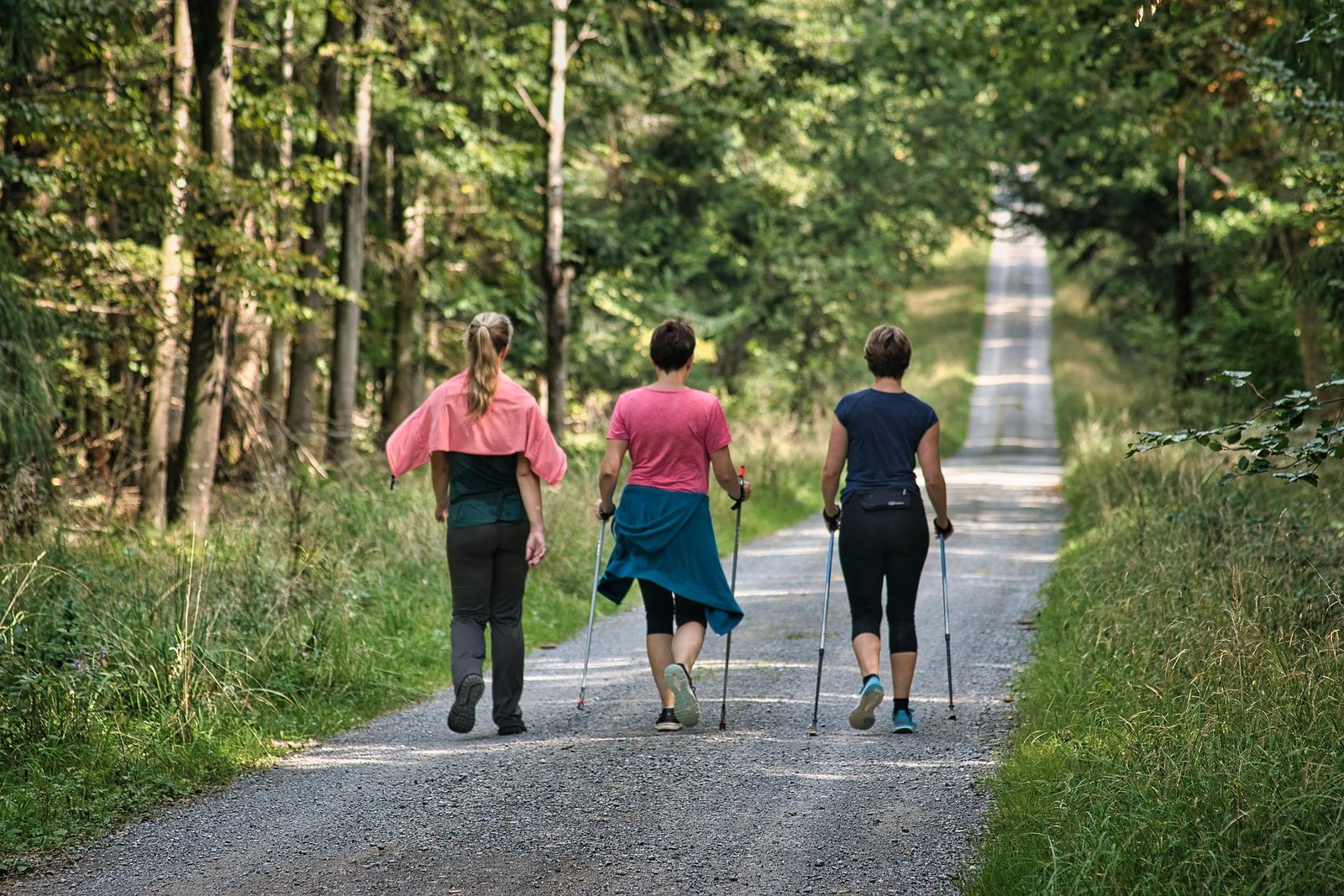
It’s 3 p.m. You’ve been staring at the same email for twenty minutes. Your jaw is tight. Your mind keeps running through everything that could go wrong. You haven’t left your chair since lunch. Then you step outside, even if it’s just to the front steps, and something loosens. Your shoulders drop. You take a breath that actually reaches your stomach. That feeling is why I talk to my clients about outdoors and mental health in Colorado.
That’s not a coincidence, and you’re not being dramatic. I’m an avid hiker, so I’m biased, but I’m also a therapist, and getting outside is one of the first things I bring up with clients who are dealing with anxiety.
Will a walk fix everything? No. But it’s one of the most underrated tools you have, and in Colorado it’s practically waiting at your front door.
Does Spending Time Outdoors Help with Anxiety?
Yes, for a lot of people it does. University of Utah Health reports that as little as 10 minutes outside can lift your mood. Mayo Clinic nurse practitioner Jodie Smith suggests aiming for about 15 minutes a day. She says studies show time in nature can improve mood, lower anxiety, and sharpen memory and thinking.
Time outside won’t replace therapy. But it can help you feel steadier day to day while we work on the deeper stuff together.
What Happens in Your Body When You Spend Time Outdoors?
You know the feeling. Your heart is racing, your shoulders are up around your ears, and your mind won’t power down. That’s your body in stress mode. It’s meant to switch on when something is wrong. The problem is when it never switches off.
Getting outside gives your body a chance to come down. In one 2022 study, people who walked through a forest or green space had less activity in the part of the brain that reacts to stress. And you don’t need a forest. Even small things, like watering plants or reading on your porch, are linked to feeling less anxious.
There’s a mental break in it, too. In the outdoors, nobody needs anything from you. Smith points out that this leaves your mind free to think more clearly.
Why Being Outside Calms Anxious Thoughts
Anxiety is exhausting because it never clocks out. Being outside gives your mind and body a break in a few simple ways:
-
- It interrupts the loop. It is hard to spiral about Tuesday’s meeting when you are busy dodging a puddle and watching a dog chase a ball.
-
- It calms your stress response.University of Utah Health psychiatry resident Debora Moreira, MD, links time outdoors to lower cortisol, and the 2022 amygdala study points the same way.
-
- It gets you off your phone. Texts, email and social media all pull at your attention. Mayo Clinic nurse practitioner Jodie Smith recommends leaving your phone behind when you head outside, and a walk gives you a built-in break.
-
- It gives your attention a rest. Smith says nature exposure is linked to better focus, memory and sleep quality.
Japan has been onto this for decades. They even have a name for it.
What is Forest Bathing, and Does it Help Anxiety?
Forest bathing has nothing to do with water. It’s the English name for shinrin-yoku, a Japanese practice of slowing down and spending time among trees. Forest bathing is one form of nature therapy, which just means using time in nature to support your mental health.
If you hike, you probably know the feeling. There’s a moment on the trail when you stop thinking about the miles and just look around. Forest bathing is built on that moment. There’s no destination and no pace to hit. You walk slowly, stop when something catches your eye, and put your phone away.
The research is encouraging. A review of 20 studies found that people felt less anxious, depressed, and angry after forest bathing. It’s still early, and the results were stronger for depression than for anxiety, but it matches what a lot of us feel the minute we step under the trees.
You don’t need a special forest to try it. A shaded trail in the foothills or a quiet spot under a big tree in a Denver park is enough. Walk slower than you normally would, and notice three things you can hear, smell, or see. Noticing what’s around you like that is also a simple grounding technique, a way to bring your mind back to the present when anxiety pulls it somewhere else.
How Much Time Outside Helps Anxiety?
Less than you think. Ten minutes can be enough to lift your mood and clear your head. A short break helps about as much as a long one, and it doesn’t matter much where you go. A city park, a garden, a forest, a lake, they all count.
Here is an easy guide to follow:
Every day: even 10 minutes.
Every week: an hour outside doing something you enjoy.
Every month: a half day outdoors, if you can swing it.
If you have more time, somewhere between 20 minutes and an hour and a half seems to be the sweet spot, especially for gardening or moving your body outside.
Please don’t turn this into one more thing you have to do perfectly. A walk around the block counts. So does standing on your porch with a cup of coffee on the days that’s all you’ve got. Start with what you’ll actually do, then build from there.
Outdoors and Mental Health in Colorado: Easy ways to get outside in Denver
When it comes to outdoors and mental health in Colorado, you don’t need a big trip.
Pick the size that fits your day:
-
- Busy day: take a loop around your neighborhood or a nearby park, or find a bench and sit for a few minutes. Washington Park, Sloan’s Lake, and City Park are some of my favorites.
-
- Free evening: visit Bluff Lake Nature Center, explore Crown Hill Park, or head to Red Rocks for fresh air and a change of scenery.
-
- Free weekend: drive to the foothills, pack a book or a coffee, and give yourself permission to be outside without getting anything done.
I hike as often as I can, and when my head is full, the trail is where it gets quieter. I’m not solving anything out there. I’m just walking, and the thing I was stuck on usually looks different by the time I’m back at the car.
The beauty of living here is that there are so many ways to enjoy nature, and it looks different for everyone. It depends on where you live, what you enjoy, how much time you have, and what feels accessible to you. Some people hike in the mountains. Others walk through a neighborhood park, sit by the water, garden, or just soak up a few minutes of sunshine. Even a short, purposeful break in a small park, under a big tree, or by a pond can help.
The goal is to make going outside the easy choice. In Colorado, it usually is.
How to build an outdoor habit when you have anxiety
Outdoors and mental health in Colorado doesn’t have to mean a big hike. There’s no right way to do this. Start where you are.
- Start small. Five minutes. If it feels too easy, good. That means you’ll do it again tomorrow.
- Pick a time and save it. A morning walk or a lunch break loop is easier to repeat than a plan you have to make fresh every day.
- Put your phone away, at least sometimes. Or switch on Do Not Disturb. Listen to the birds, the wind, the leaves under your feet.
- Go alone or bring a friend. Whichever feels easier on a hard day.
- Have a snowy day plan. Indoor nature can help, too. Think houseplants, pictures of natural scenery, or recorded bird songs or rain instead of music. It’s not a full replacement, but it counts.
When to see a therapist for anxiety
I know that sometimes anxiety is bigger than a trail can handle. If worry, panic, or avoidance is getting in the way of your sleep, your work, or your relationships, please don’t wait for it to get worse before you talk to someone.
A walk and therapy work well together. One helps you feel steadier. The other helps you understand why the anxiety is there in the first place.
You don’t have to sort this out alone. We can look at what’s driving the anxiety together, at a pace that feels doable.
What if I feel more anxious outside?
That can happen, especially in crowded or unfamiliar places. Try a quieter spot, go at a calmer time of day, or bring someone with you. If it keeps happening, bring it up with a therapist.
Anxiety therapy in Denver and online in Colorado and Pennsylvania
I work with women who are tired of feeling anxious, overwhelmed, and stuck. I see clients in person in Denver, and I offer online therapy to women in Colorado and Pennsylvania.
If you’re ready for support beyond the trail, I’d love to hear from you. Book a free consultation, and we’ll start with where you are right now.